what is normal blood sugar for hypoglycemia Hypoglycemia-low blood sugar: your brain can't work
Hyperglycemia can occur when the blood sugar levels in our body become elevated, which can lead to a range of health problems. Many people know that hyperglycemia is a common issue that can arise in individuals with diabetes, but it can actually occur in anyone, regardless of whether or not they have been diagnosed with diabetes. In this post, we will dive deep into the causes, symptoms, and treatment options for hyperglycemia, as well as explore some tips for preventing its onset. Causes of Hyperglycemia There are several different factors that can cause hyperglycemia. Some of the most common include: - Eating too much sugar or carbohydrates - A lack of exercise and physical activity - Stress or illness - Certain medications - Hormonal imbalances Symptoms of Hyperglycemia The symptoms of hyperglycemia can vary depending on the severity of the condition. Some common symptoms of hyperglycemia can include: - Increased thirst - Frequent urination - Blurry vision - Fatigue or weakness - Dry or itchy skin It is important to note that some people with hyperglycemia may not experience any symptoms at all, making it essential for individuals to monitor their blood sugar levels regularly if they are at risk of developing the condition. Treatment Options for Hyperglycemia One of the most effective ways to treat hyperglycemia is to make lifestyle changes. This can include making dietary changes, such as reducing one’s intake of sugary and carbohydrate-heavy foods, as well as engaging in regular exercise and physical activity. In some cases, medication may also be prescribed to help manage hyperglycemia. This can include medications such as insulin, which can help regulate blood sugar levels and prevent the onset of further health problems. Prevention Tips for Hyperglycemia Preventing hyperglycemia is much easier than treating the condition once it has developed. Some tips for preventing hyperglycemia include: - Eating a healthy and balanced diet - Engaging in regular exercise and physical activity - Avoiding sugary and carbohydrate-heavy foods and drinks - Monitoring blood sugar levels regularly if one is at risk of developing the condition Hyperglycemia can be a serious condition that can lead to a range of health problems if left untreated. However, with proper care, treatment, and prevention measures, it is possible to manage the condition effectively and prevent it from occurring in the first place.
If you are looking for High Blood Sugar (Hyperglycemia) – Diabetes Daily you’ve came to the right page. We have 5 Images about High Blood Sugar (Hyperglycemia) – Diabetes Daily like Hyperglycemia and hypoglycemia in type 2 diabetes, Why Monitoring Blood Glucose Levels Are Important | Onetouch® and also Hyperglycemia and hypoglycemia in type 2 diabetes. Here it is:
High Blood Sugar (Hyperglycemia) – Diabetes Daily
 www.diabetesdaily.comsugar blood diabetes hyperglycemia high glucose levels emergency pressure after hormone insulin drug level diabetic olive treat over oil type
Hyperglycemia And Hypoglycemia In Type 2 Diabetes
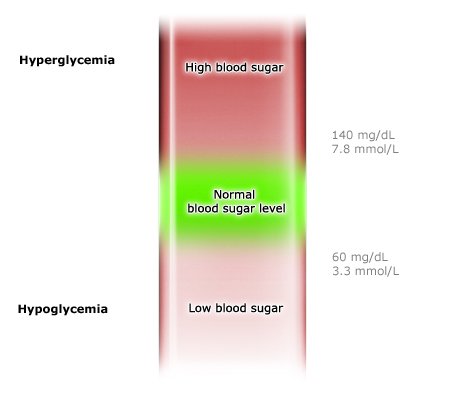 www.informedhealth.orgblood hypoglycemia sugar normal range glucose hyperglycemia urine levels diabetes type level between high diabetestalk worse low which measuring yourself
All About Hyperglycemia - Apollo Sugar Clinics
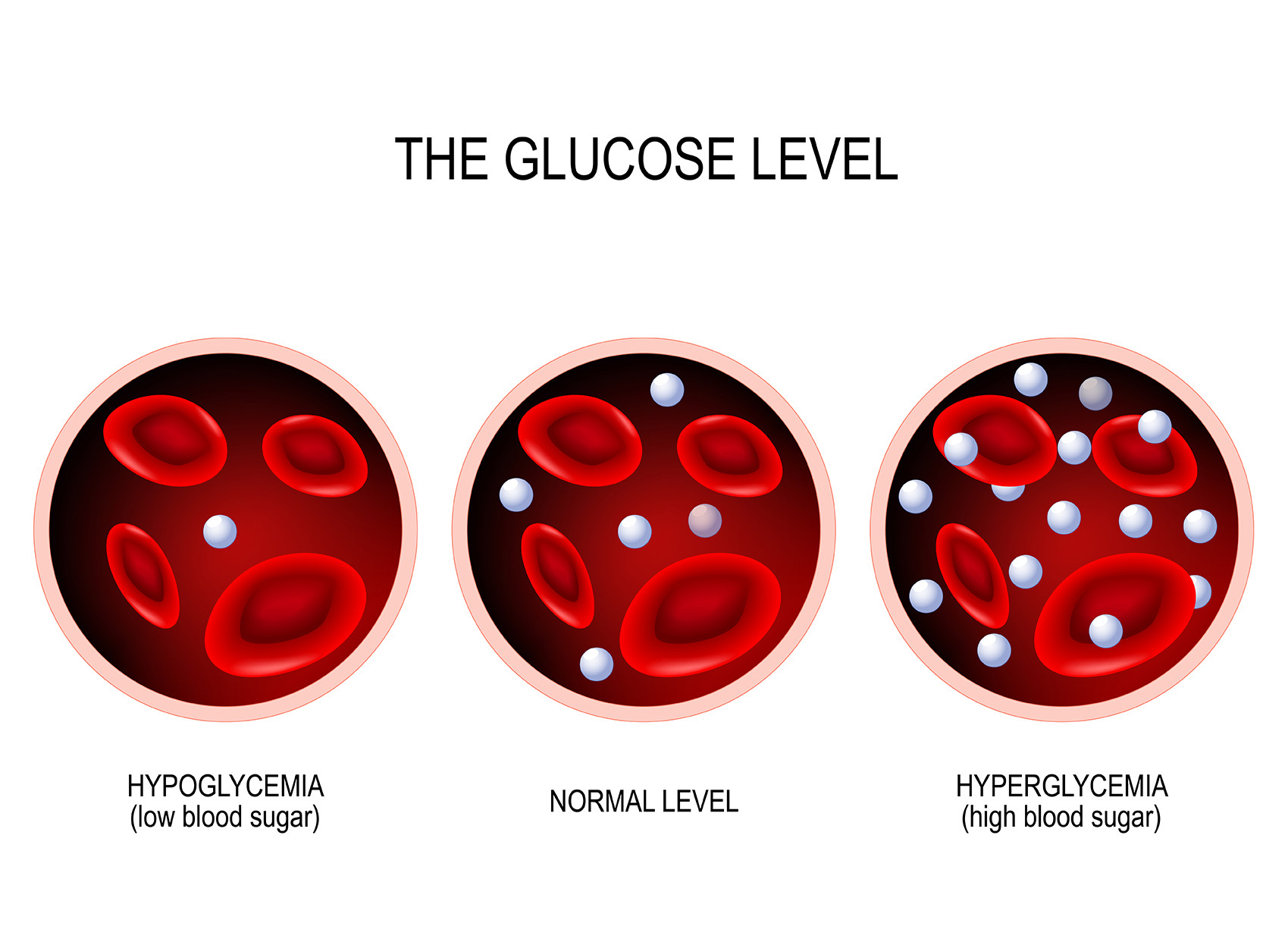 apollosugar.comhyperglycemia sugar high glucose blood levels diabetes simple
Why Monitoring Blood Glucose Levels Are Important | Onetouch®
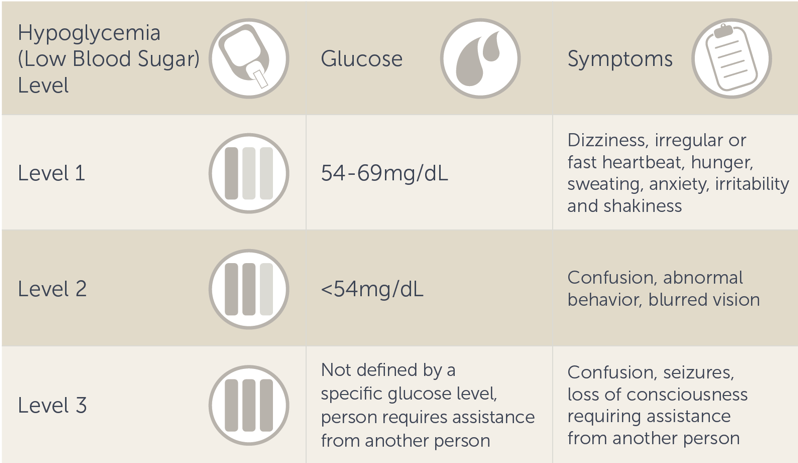 www.onetouch.comblood glucose levels hypoglycemia chart sugar symptoms monitoring why onetouch diabetes important when high
Hypoglycemia-Low Blood Sugar: Your Brain Can’t Work - Countless
 www.drz.orgblood sugar hypoglycemia brain low depresses function
Blood glucose levels hypoglycemia chart sugar symptoms monitoring why onetouch diabetes important when high. Blood sugar hypoglycemia brain low depresses function. Hypoglycemia-low blood sugar: your brain can’t work